Skip to content

Table of Contents
Living with jaw pain can affect much more than just chewing or speaking. It can disrupt daily comfort, sleep, and even your mood. If you experience stiffness, clicking, or soreness in your jaw, there’s a good chance the temporomandibular joint (TMJ) is involved. The good news is that relief doesn’t always require surgery or long-term medication.
At Hudson Premier Physical Therapy & Sports, physical therapy provides a functional, hands-on way to ease TMJ pain and restore natural jaw movement.
TMJ Dysfunction Explained
Your TMJ connects the lower jaw (mandible) to the base of the skull and allows you to open, close, and move your mouth from side to side. When this joint or the muscles surrounding it become tight, inflamed, or misaligned, it can cause a condition known as temporomandibular disorder (TMD).
Common symptoms include:
- Pain or tenderness in the jaw or around the ears
- Clicking, popping, or grinding noises when moving the jaw
- Difficulty or pain while chewing
- Limited mouth opening or jaw locking
- Headaches and neck tension
These symptoms can result from teeth grinding, poor posture, stress, or trauma to the jaw. Whatever the cause, TMD often leads to muscle imbalance and restricted motion. That’s where targeted physical therapy makes a real difference.
Why Physical Therapy Works for TMJ Disorders
Unlike temporary pain relief from medication, physical therapy focuses on correcting the underlying cause of dysfunction. A physical therapist uses a combination of manual techniques, guided exercises, and advanced modalities to help the joint move smoothly again while easing pain and inflammation.
The main goals of TMJ physical therapy are to:
- Reduce muscle tension and joint pain
- Restore proper jaw movement and alignment
- Improve coordination between the jaw and neck muscles
- Prevent recurring discomfort through posture correction and habit changes
This approach doesn’t just treat the symptoms. It helps retrain your jaw and surrounding muscles to work in balance, leading to lasting relief.
Hands-On Treatment: Manual Therapy and Joint Mobilization
Manual therapy is one of the most effective parts of TMJ rehabilitation. It involves gentle, hands-on techniques that target both the joint and surrounding soft tissues.
During your session, your physical therapist may:
- Mobilize the TMJ joint through precise gliding or stretching movements to restore mobility and reduce stiffness.
- Release tight muscles and fascia around the face, jaw, neck, and shoulders. This helps relieve tension and decrease pressure on the joint.
- Use trigger point therapy or soft tissue massage to relax overactive muscles like the masseter and temporalis.
These manual techniques improve the jaw’s mechanics and reduce local inflammation and muscle guarding. Many patients notice immediate relief in tightness or an improved ability to open their mouth comfortably after the first few sessions.
Laser Therapy for Pain and Inflammation
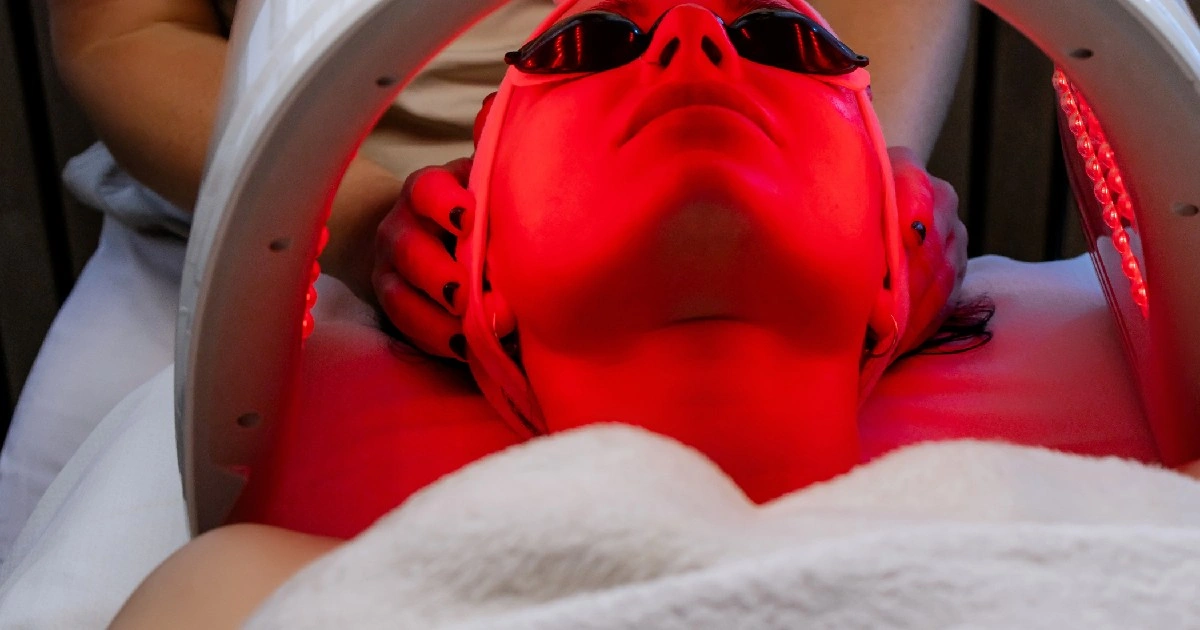
For patients with significant pain or inflammation, low-level laser therapy (LLLT) can be a powerful tool. This treatment uses light energy to promote tissue healing, improve circulation, and reduce pain signals from irritated nerves.
Laser therapy helps:
- Decrease inflammation within the joint
- Speed up tissue repair and recovery
- Relax jaw muscles and relieve stiffness
It is non-invasive, painless, and works well as a complement to manual therapy. When used consistently, it enhances healing and supports improved function in the TMJ area.
Using Electrical Stimulation to Relax Muscles
Electrical stimulation, or e-stim, involves applying mild electrical currents to the muscles that control jaw movement. This technique helps reduce spasms, relieve pain, and encourage better muscle coordination.
Your physical therapist might use e-stim before manual therapy to loosen tight muscles or after exercises to calm soreness. When combined with other treatments, it helps accelerate results by relaxing tension and improving the overall responsiveness of the jaw muscles.
The Role of Exercise and Posture in TMJ Recovery
Hands-on techniques are essential, but active movement retraining completes the process. Physical therapy for TMJ includes specific exercises that teach your jaw to move correctly again, helping restore proper jaw function, improve coordination, and support long-term relief by reinforcing healthy movement patterns.
Common exercises may involve:
- Controlled jaw opening and closing while maintaining alignment
- Side-to-side and forward-backward jaw motions
- Neck and shoulder strengthening to improve overall posture
Poor posture, especially forward head positioning, often contributes to TMJ strain. By retraining how you sit and hold your head, physical therapy helps reduce the pressure transferred to your jaw. Over time, this leads to smoother movement and fewer flare-ups.
Education and Lifestyle Guidance
TMJ pain can also be influenced by daily habits. Clenching your teeth during stress, chewing gum excessively, or resting your chin in your hand can make symptoms worse.
At Hudson Premier Physical Therapy & Sports, patient education is an important part of care. You’ll learn simple adjustments to support your recovery, such as:
- Avoiding extreme mouth opening or hard chewing
- Practicing relaxation techniques to ease tension
- Maintaining a neutral head and neck position throughout the day
These strategies empower you to manage your condition proactively and prevent it from returning.
What to Expect from TMJ Physical Therapy
Most patients start to feel improvement within a few sessions. Early results often include less pain when chewing, reduced clicking, and a better range of motion. Over time, therapy helps re-establish balance between the jaw joint, surrounding muscles, and cervical spine for lasting comfort.
A typical treatment plan may include:
- Evaluation of jaw and neck movement
- Manual therapy to release tight structures
- Laser or e-stim sessions for pain reduction
- Targeted exercises and posture correction
- Ongoing education and home care
Stay consistent with your sessions and home exercises for the best long-term results. Ensure that improvements continue between sessions.
Regain Control of Your Jaw Health
Living with TMJ pain can make even simple movements feel exhausting, but recovery is possible with the right care. Hudson Premier Physical Therapy & Sports offers individualized TMJ physical therapy designed to relieve pain, improve function, and prevent future problems. If you’re tired of jaw pain limiting your day, it may be time to take that first step toward relief. Schedule a physical therapy consultation today to start feeling better, one movement at a time.