Skip to content
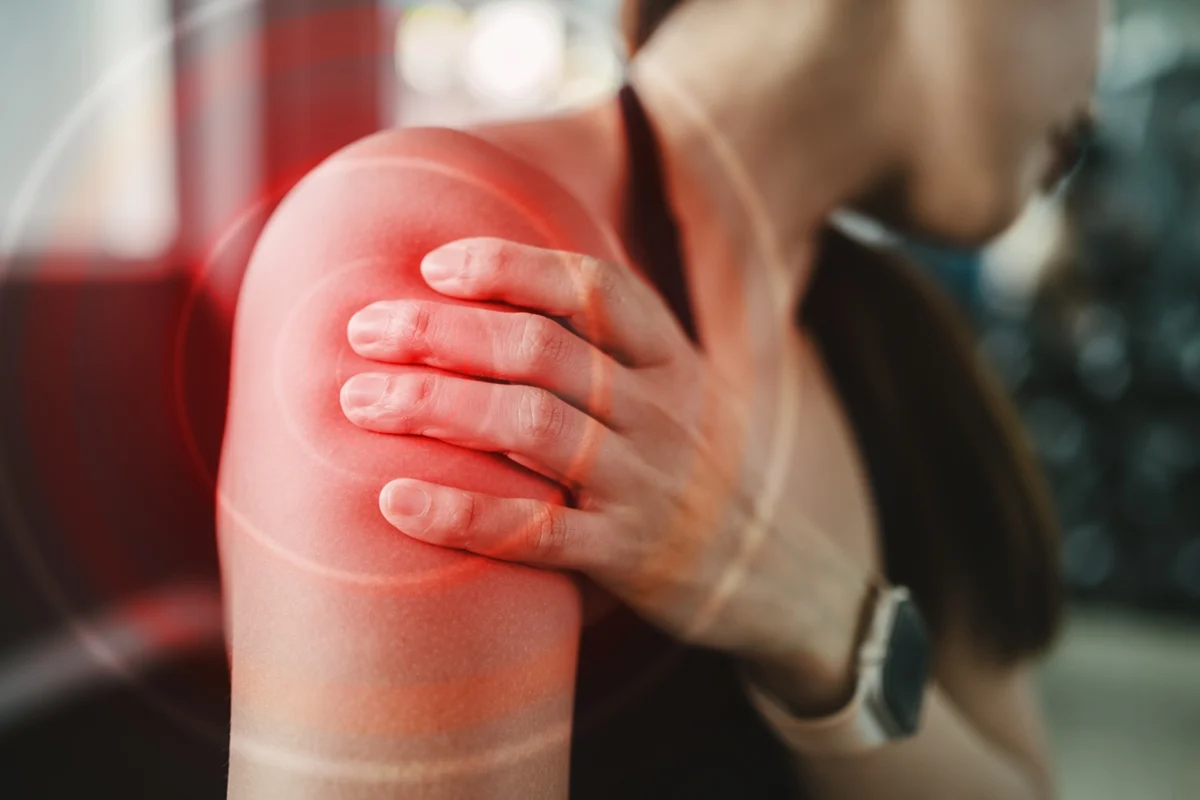
Table of Contents
Recovery should keep moving forward, but many people hit a point where progress stalls. You do the exercises, attend your appointments, and work hard, but your old mobility and strength still seem far away. This plateau usually means it’s time to try a new approach, not that your healing is finished.
At Hudson Premier PT and Sports, we help patients in Union City and Hoboken, NJ with our Stick Mobility Service. This approach targets the structural and neurological reasons behind slow recovery that regular exercises often miss. You’ll notice better movement and strength over several sessions, without making your recovery routine more complicated.
How does Stick Mobility Service speed up recovery?
It uses a special tool to combine joint mobilization, active stretching, and neuromuscular activation. This helps tackle movement restrictions and muscle inhibition that can slow down rehab. Most people see real improvements in joint mobility and movement quality after just a few sessions.
Why Injury Rehabilitation Slows Down and Stalls
Rehabilitation can slow down for reasons beyond just effort or consistency. As you heal, scar tissue and fascial adhesions can form around the injury, limiting your joint’s range of motion. Your body then develops new movement habits to work around these limits, and those habits can slow your recovery even after the injury itself has healed.
Muscle inhibition makes things even harder. After an injury, nearby muscles often shut down to protect the area, which lowers your strength and coordination even after the tissue heals. Your nervous system also limits movement in response to pain, and these changes don’t just go away once the injury is better. Standard rehab exercises often miss these deeper issues, which can keep your recovery from moving forward.
What Most Conventional Rehabilitation Misses
Traditional physical therapy mainly works on strengthening certain muscle groups, which helps but doesn’t always fix joint mobility or coordination problems that come with injury. Passive stretching can make you more flexible for a short time, but it doesn’t teach your nervous system to control that new movement. That’s why you might feel more mobile in the clinic but lose that progress between sessions.
Most rehab programs work on strength and mobility one after the other, not at the same time. But research shows that working on both together leads to faster and longer-lasting results. If you’ve hit a plateau in regular physical therapy, it’s often because movement pattern issues haven’t been fixed by strength training alone. That’s where Stick Mobility Service can really help your recovery.
What Stick Mobility Is and How It Works
Stick Mobility Service uses a special training stick to give you leverage, stability, and feedback during joint exercises. This helps you reach ranges of motion you couldn’t get to on your own, especially in areas limited by scar tissue, tight fascia, or muscle guarding.
The system works by doing three things at once: it decompresses and mobilizes the joint, stretches the tissue while it’s working, and activates your muscles to build strength in the new range of motion. Since these exercises are active, your nervous system learns that the new movement is safe, which helps reduce the protective limits that slow recovery.
This approach directly supports improving joint stability and total body mobility in a way that passive rehabilitation methods cannot replicate.
How Stick Mobility Addresses the Root Causes of Slow Rehabilitation
The joint distraction part of Stick Mobility Service targets the deep tissue restrictions and joint compression that limit your movement after an injury. By actively loading the joint through its new range, the system retrains muscles that have shut down, helping you regain strength and coordination even after the initial healing is done.
By training mobility and strength simultaneously rather than in sequence, the system collapses two phases of rehabilitation into one. The feedback provided by the stick also helps patients feel and correct compensatory movement patterns in real time, which prevents the substitutions that reinforce slow recovery and increase re-injury risk.
For patients focused on injury risk reduction exercises in Hoboken & Union City, NJ this real-time correction is one of the most clinically valuable aspects of the training system.
What Injuries and Recovery Scenarios Respond Best to Stick Mobility
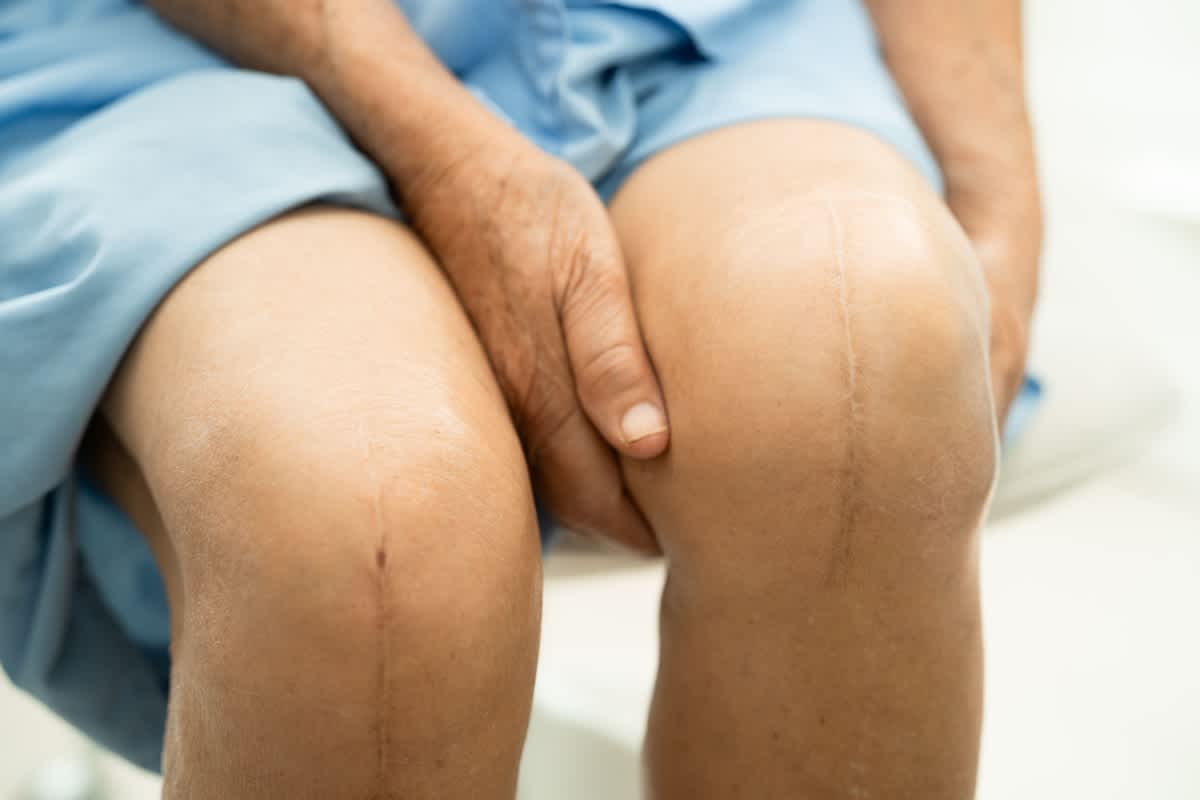
Stick Mobility Service is particularly effective for post-surgical rehabilitation where joint mobility and neuromuscular re-education are both primary goals. Patients recovering from ACL reconstruction, hip replacement, and shoulder repair typically respond well because the system addresses both the structural and neurological components of their limitation simultaneously.
Patients dealing with chronic pain and restricted movement following soft tissue injuries to the back, hips, or shoulders also tend to see meaningful progress. The system supports improving flexibility for dynamic movement across all of these scenarios, making it applicable to a wide range of injury types and recovery stages.
If you’ve stopped making progress with regular physical therapy, you might be a great candidate for Stick Mobility Service. It gives your body a new challenge that can help you move forward again.
What to Realistically Expect and Who Is a Good Candidate
Most people see better joint mobility and movement within the first few sessions, but how fast you improve depends on your injury, how long you’ve had symptoms, and how your body responds. Stick Mobility Service helps you recover faster than traditional methods, but your body still needs time to heal. Staying consistent and practicing between sessions leads to the best results, and our team at Hudson Premier PT and Sports will show you how to fit these exercises into your overall recovery plan.
The service also helps reduce the risk of injury during workouts as patients transition back to full activity, building the joint stability and movement control that protect against setbacks. For patients working to restore full body tension for spinal support following back injuries or post-surgical recovery, the system’s ability to load the spine through a controlled range of motion makes it a particularly valuable component of the rehabilitation plan.
If you have a recent injury that hasn’t finished healing, talk to a provider before starting. Joint mobilization techniques need a certain level of tissue recovery first.
Ready to Move Past the Plateau
If your rehab has stalled and you’re not seeing the progress you hoped for, Stick Mobility Service at Hudson Premier PT and Sports could be just what you need. Our team helps patients in Union City and Hoboken, NJ, overcome mobility limits, muscle inhibition, and movement issues that slow recovery. Contact us today to see if Stick Mobility Service is right for your recovery stage.
Take the next step toward regaining your movement and strength. Start your Stick Mobility program now.