Skip to content
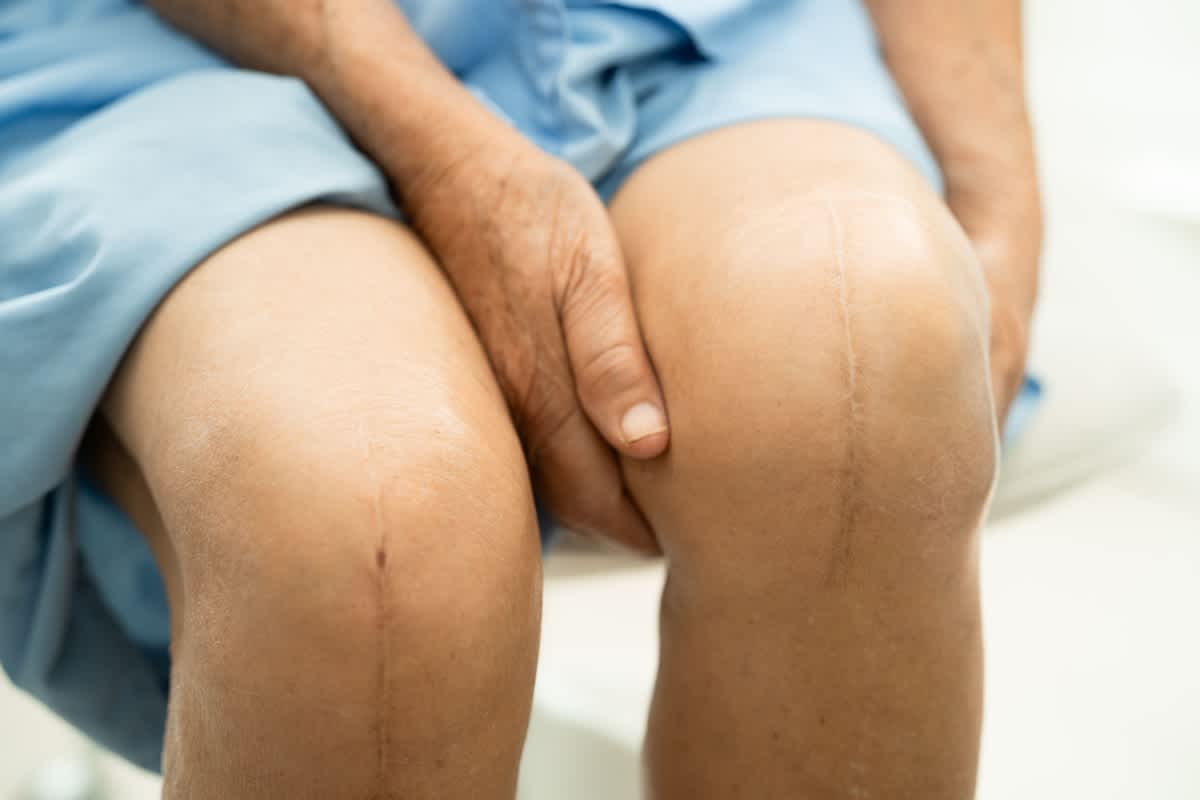
Table of Contents
Old injuries often leave lasting effects even after the pain is gone. Maybe your shoulder does not move as it did before surgery, or your calf stays tight no matter how much you stretch. For many people, the cause is not a new injury but scar tissue and fascial restriction that formed during healing and never fully went away.
The Graston Technique System was developed to address these lasting restrictions. At Hudson Premier PT & Sports in Hoboken, NJ, we use this instrument-assisted method to break down scar tissue and loosen stiff muscles and fascia, helping patients move more easily. Here, we explain what causes these problems, how the technique works, and what you can expect during recovery.
How does the Graston Technique help restore movement lost to scar tissue and stiffness?
Therapists use special stainless steel tools to apply focused pressure, which helps break up adhesions and scar tissue while boosting blood flow. This supports the body’s natural healing, and many people notice better mobility after several sessions as their tissue becomes more flexible.
What Causes Scar Tissue and Muscle Stiffness?
Scar tissue forms naturally after injury, surgery, or repeated strain as the body repairs itself. However, this new tissue does not always line up smoothly with the surrounding area. It can form unevenly, creating adhesions that limit how a joint or muscle moves.
Muscle stiffness often develops for related reasons:
- Restricted fascia that limits normal tissue glide
- Overuse from repetitive movement or activity
- The body quietly compensating for an old injury elsewhere
Scar tissue and stiffness are normal parts of the healing process. They do not mean anything went wrong during recovery.
How Graston Technique Works to Address These Concerns
During treatment, a therapist uses stainless steel tools to apply steady pressure to the affected area. This method, sometimes called scraping therapy, helps break down adhesions and scar tissue in the muscle or fascia, allowing the tissue to loosen and move more easily.
This process also increases blood flow to the treated area, which supports the body’s own natural tissue remodeling. For improving soft tissue restrictions with specialized instruments, the combination of targeted pressure and increased circulation is what allows the technique to work on both restrictive scar tissue and the muscle stiffness that so often develops alongside it.
Why This Approach Works for Both Scar Tissue and General Stiffness
Scar tissue and fascial restriction have something in common: both involve tissue that has lost its normal flexibility and movement. This can happen after an injury or from months of overuse. Because of this, the same instrument-assisted treatment can help with both problems.
One advantage of using instruments rather than hands alone is that they can help a therapist identify restrictions that might otherwise be difficult to feel. This makes the treatment useful for reducing chronic muscle stiffness in Union City, NJ and Hoboken alike, since a therapist can pinpoint and target the specific areas involved rather than treating the region generally. Every treatment plan is shaped around the particular area and type of restriction a patient presents with.
What Results Can You Expect, and How Long Does It Take?
Many people notice some improvement in movement after their first session, but full results usually develop over four to six sessions, depending on how severe the restriction is. This gradual progress matches how the body responds to the changes from treatment, rather than expecting a quick fix.
Results vary based on a few individual factors:
- How severe the restriction or scar tissue is
- How long the tissue has been present, since older scar tissue often takes longer to respond than a recent injury
- The individual’s overall healing response
This kind of non invasive therapy for joint mobility restoration is not a guarantee for every patient, but many find that consistent sessions lead to steady, cumulative improvement.
What Does a Graston Technique Session Involve?
A typical session lasts about fifteen to thirty minutes, depending on the area treated. The therapist uses the instruments directly on your skin over the muscle or scar tissue, applying pressure that most people find firm but not painful. Some mild discomfort during the session is normal.
After treatment, it is normal to feel some soreness, see mild bruising, or notice redness. These effects usually go away in a few days. Here are some simple ways to help your recovery:
- Staying well hydrated to help the body process the effects of treatment
- Applying ice to the area if soreness or inflammation develops
- Avoiding strenuous exercise for the rest of the day, with gentle stretching to maintain mobility
Your therapist will create a treatment plan based on the area, your history, and how severe the problem is. For example, treating shoulder scar tissue may look different from treating calf stiffness.
Is Graston Technique Right for You?
Good candidates for this treatment typically include patients who are:
- Recovering from post-surgical or post-injury scar tissue
- Dealing with chronic stiffness that limits daily movement
- Managing conditions like tendinitis or plantar fasciitis as part of manual physical therapy for athletic injury recovery
- Working through physical therapy treatment for chronic fascial binding that has built up over time
A few situations call for a closer conversation first, including certain skin conditions, blood clotting disorders, or very recent injuries still in the acute healing stage. This is best sorted out during an evaluation with a physical therapist rather than decided on your own, especially when managing chronic soft tissue inflammation is part of the picture.
Patients focused on maintaining healthy soft tissue after 40 with instruments or managing stubborn scar tissue buildup in older athletes often benefit from this same evaluation process, since age and activity level both factor into how a treatment plan is built.
Graston Technique and the Mobility Patients Regain
Patients often talk about their results in everyday terms. They mention reaching overhead without shoulder pain or walking without tightness in the calf. These daily changes, not just numbers on a chart, show the reduced stiffness and better movement that treatment aims to provide.
None of this is guaranteed for every patient, and outcomes depend on the factors already covered here. But for many patients working through athletic injury recovery in union city & Hoboken, NJ, restoring that everyday ease of movement is the whole point.
Ready to Address Your Scar Tissue and Stiffness?
If old scar tissue or ongoing stiffness is making it hard for you to move, talking with a physical therapist is the best way to see if the Graston Technique System is right for you. The team at Hudson Premier PT & Sports will review your history and current mobility to create a plan that fits your needs.
Contact us to get started, and our team will help you find the right treatment plan for your body. Schedule a private Graston Technique consultation.